A Designer's Perspective: The Spring Embroidery Design for Boutique Apparel
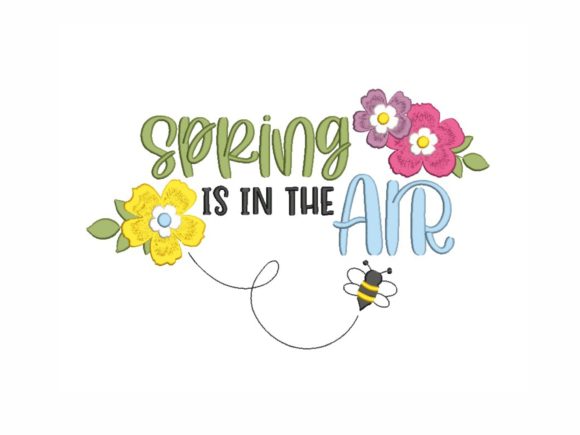
When planning a new collection for my boutique, the first thing I look for is a design that carries a clear visual personality. The Spring embroidery design from Creative Fabrica immediately presents a fresh and vibrant mood. It feels inherently optimistic and decorative, leaning into a feminine and classic aesthetic without being overly cute. This isn’t a minimal design; it has a decorative strength that suggests it’s meant to be a focal point, which is perfect for creating standout pieces.
The Visual Mood and Practical Application on Garments
From a designer’s point of view, Spring has a balanced level of detail that feels premium yet approachable. Its vibe is neither too rustic nor overly playful, sitting comfortably in a space that appeals to a wide audience looking for cozy, seasonal outfits. I envision it immediately on neutral sweatshirts—like a cream or oatmeal-colored fabric—where the design’s vibrancy would truly pop. On pastel hoodies, it would complement the soft base color beautifully, enhancing the seasonal theme.
For darker apparel, such as navy or charcoal sweatshirts, the contrast would be striking, though this is where practical considerations come into play. The design’s detail level suggests good stitch coverage, which is excellent for visual impact on dark garments, but it’s always wise to test on scrap fabric first to ensure the chosen thread colors provide the desired contrast and luminosity.
Placement Strategies for Sweatshirts and Hoodies
Considering placement is key for any machine embroidery design intended for apparel. For Spring, the classic chest placement on a sweatshirt or hoodie is a natural fit. It creates a balanced, branded look that feels intentional for a boutique product. However, given its likely size and decorative nature, I would also strongly consider a back design on an oversized garment. This could transform a simple hoodie into a statement piece, ideal for lifestyle product photos and social media graphics that capture attention.
Sleeve accents are another interesting avenue, though for a design like Spring, which seems to have a central focal composition, I would be cautious. Smaller, dense stitch areas might not translate perfectly to the curved and often stretchy surface of a sleeve, especially on ribbed cuffs. This is a reminder to always review stitch density and consider stabilizer choice carefully for such applications.
Expanding Beyond Sweatshirts: T-Shirts, Totes, and Denim
The versatility mentioned in the product description opens many doors. On a lightweight t-shirt, Spring would need a robust stabilizer to prevent puckering, especially if the stitch count is high. For tote bags, it’s an excellent choice—the design’s decorative strength adds significant value to a simple canvas bag, creating a lovely handmade product for an Etsy seller or small shop.
A denim jacket presents a fantastic textured canvas. The fabric’s stability is a bonus, but the fabric texture itself interacts with embroidery in a unique way. Testing on similar garment fabric before finalizing a collection is non-negotiable here. It confirms how the design sits and whether any areas might require adjusted tension.
Affecting Brand Identity and Customer Perception
Using a cohesive design like Spring across a small collection—say, on sweatshirts, totes, and perhaps a hat—builds visual consistency for a boutique brand. This consistency fosters product recognition and, ultimately, buyer trust. When customers see a recognizable, well-executed embroidery design across different products, it signals professional presentation and care.
For commercial embroidery products, this reliability is crucial. It directly influences customer engagement; a beautiful, well-placed design can be the sole reason a garment is purchased. In the context of preparing printable mockups for Etsy listings or social media graphics, a strong, appealing design like this one provides a compelling visual anchor that sells the idea before the physical product is even made.
Practical Designer Notes and Considerations
Before committing Spring to a production run, a few essential steps must be taken. First, confirming the actual hoop size required from the Creative Fabrica embroidery file details is fundamental. You must ensure your machine and standard hoops can accommodate it for your intended garment placement. Second, inspect the stitch density by looking at the previews and, if possible, stitching a test. High density on stretchy fabrics like fleece can lead to distortion, so a suitable stabilizer strategy is paramount.
Also, always compare placement options physically. Hoop a sample garment (or similar fabric) and test the design in different positions. The center chest might work perfectly, but you may discover an even more compelling look slightly lower or paired with simpler text. Finally, and most importantly for any digital seller or creative entrepreneur, thoroughly check Creative Fabrica product details and licensing before selling finished apparel. Ensure the commercial use terms align with your business model and that you have all the necessary file formats for your equipment.
Where to Exercise Caution
While Spring appears wonderfully adaptable, some applications require careful thought. Very small chest placement on a children’s garment, for instance, might compress the design’s details too much. If the design contains any tiny lettering or exceptionally dense fill areas, these could be challenging on fabrics that stretch or wrinkle easily. The key is to match the design’s characteristics with the garment’s properties. A simple test on a scrap of the final fabric—using the correct stabilizer and thread colors—will reveal any potential issues with registration or fabric pull.
In essence, the Spring embroidery design offers a strong foundation for a seasonal apparel collection. Its fresh and vibrant personality can elevate simple sweatshirts and hoodies into boutique-quality merchandise. By approaching its application with practical designer habits—testing, checking specs, and considering placement—you can leverage this digital embroidery file to create custom apparel that enhances your brand identity and resonates deeply with your customers.