A Designer's Take on the Medical Love Embroidery File
When you download an embroidery design, the first question in my mind is always this: does it have a real place in the world of stitches? Can it move from a digital preview to a finished product that feels right—both in my hands and in the hands of a customer or recipient? The Medical Love design, squarely in the Work category, prompts exactly that kind of practical evaluation. It’s a theme-driven piece, and its success hinges not just on its concept, but on its execution across a variety of real-life embroidery situations.
The Immediate Mood and Project Fit
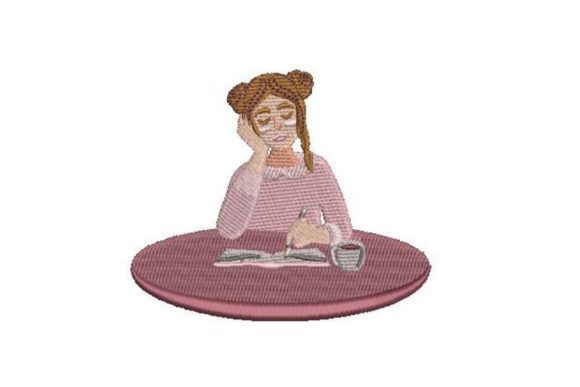
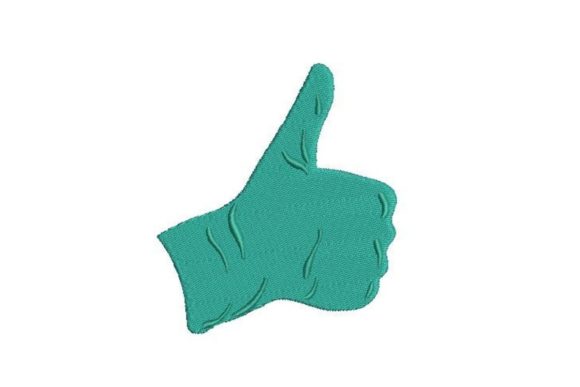
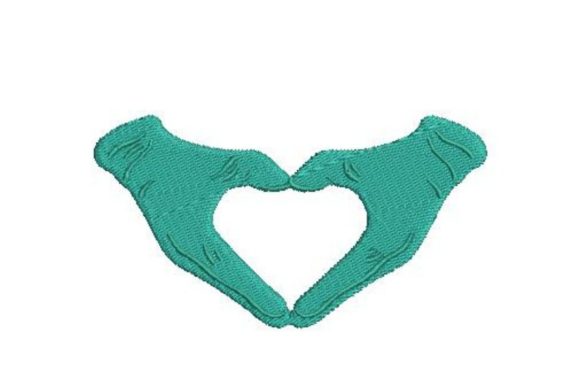
My first impression of Medical Love is one of clear, appreciative intent. It’s not overly complex or fussy, which aligns perfectly with the description calling it easy-to-embroider. The theme of showing respect for the medical field is front and center. This gives the design a specific, heartfelt personality. It feels like it belongs on items meant as gifts, tokens of gratitude, or even as subtle branding for those in or supporting the healthcare profession. Visually, I imagine a balanced layout, likely with some symbolic elements—perhaps a heart, a medical cross, or supportive text—arranged in a way that won’t overwhelm a garment or accessory.
This isn’t a generic floral motif. It has a job. It naturally calls out for projects like custom tote bags for a nurse’s group, appreciation sweatshirts for hospital volunteers, or even personalized baby items for a new pediatrician’s family. For a crafter or small business owner, it immediately slots into niches like holiday gifts for medical staff, boutique merchandise for a clinic’s gift shop, or embroidered patches for medical students. The Embroidery type means its application is physical, tangible—it’s meant to be stitched out and seen.
Where Medical Love Will Stitch Up Beautifully
Let’s walk through a real scenario. I’m considering preparing a batch of custom embroidered canvas tote bags as a thank-you gift for a local medical office. I load Medical Love. On a sturdy, mid-weight fabric like canvas, a design described as “easy” should perform well. The stitch density, if appropriately balanced, will create a clean look without puckering. I envision it positioned centrally, creating a professional yet personal touch on a useful item.
This design has strong potential across several key categories for makers and sellers:
- Custom Apparel: Think sweatshirts, polo shirts, or t-shirts for medical teams or supportive families. The theme adds value and recognition.
- Home and Gift Items: Pillow covers for a nurse’s lounge, kitchen towels for a doctor’s home, or blankets for a healthcare fundraiser. It elevates simple items through its meaningful message.
- Small Shop Merchandise: For an Etsy seller specializing in handmade products for professionals, this design could be the core of a product line—aprons, caps, or simple patches.
- Personalized Gifts: Its inherent respect makes it a prime candidate for wedding gifts for a marrying couple in medicine, retirement presents, or holiday embroidery projects.
The clarity of the theme boosts visual appeal and giftability. A customer looking for a “thank you” gift for their surgeon will immediately connect with it. For a craft business, using it consistently on a line of products can build brand consistency around the niche of appreciation and professional support.
Points of Careful Consideration Before Hooping
Even an easy-to-embroider design requires a designer’s scrutiny. The practical judgment comes from knowing where a design might face challenges. For Medical Love, the details matter.
First, I’d be cautious about very small hoop sizes. If the design contains any text or intricate symbolic details, shrinking it down too much could compromise stitching clarity. Tiny lettering or detailed corners might become lost or blurry. Always test on scrap fabric first, especially if you plan to use it on a cap or a baby item with a curved surface or smaller area.
Fabric choice is crucial. On thin or stretchy fabric, even a moderate stitch density needs proper stabilizer to prevent distortion. On dark fabric backgrounds, thread color contrast must be planned—you might need to adjust colors from a standard white or light palette to ensure the message reads clearly. If the design has dense fill stitch areas, using it on layered garments like fleece sweatshirts requires extra stabilization to avoid a stiff, uncomfortable result.
Also, consider the product’s lifecycle. Items like aprons or kitchen towels that need frequent washing should be embroidered with durable threads and secure stitching. Review the design’s stitch construction in your sample—are the satin stitches or running stitches secure enough for use and wear?
Designer Notes for a Professional Outcome
My process before committing Medical Love to a client project or my own shop merchandise would follow these steps:
- Stitch a sample on the exact fabric type I intend to use (e.g., cotton for a tea towel, polyester for a sport cap).
- Check thread color contrast against both light and dark backgrounds. Sometimes a design looks perfect in a digital preview but needs a color swap for real fabric.
- Confirm the physical hoop size required. The description says it’s ready for your next project, but I need to know the dimensions to plan my product layout.
- Inspect small details after stitching. Are any elements too fine? Would simplifying a detail (if possible) improve durability on a high-use item like a tote bag?
- Consider its use in commercial embroidery. Can I use this digital embroidery file to create finished products for sale? I must confirm licensing before selling any finished product or including it in my digital product listings.
- Use it in printable mockups for my Etsy listings or craft fair previews. Seeing it rendered on a product image helps gauge buyer engagement.
These steps transform a digital file into a reliable design asset. They ensure that when I stitch it onto a boutique product, it looks professional, lasts, and communicates its intended respect effectively.
The Final Stitch: Value in the Real World
At its core, Medical Love is more than just an embroidery design. It’s a tool for creating connection. For the hobbyist making a gift, it adds heartfelt value. For the creative entrepreneur, it fills a specific market need—products that honor and recognize the medical field. Its success in real project use depends on that practical pairing: a clear, appreciative theme with a technically sound embroidery file.
When I evaluate it, I see its potential not in hype, but in the quiet satisfaction of a well-made, meaningful item. Stitched cleanly onto a nurse’s appreciation sweatshirt or a doctor’s personalized pillow cover, it achieves its purpose. It moves from a digital concept to a tangible expression of respect, and that is the true mark of a design worth hooping up for your next project.