A Designer’s Review of the Sinterklaas Embroidery Design
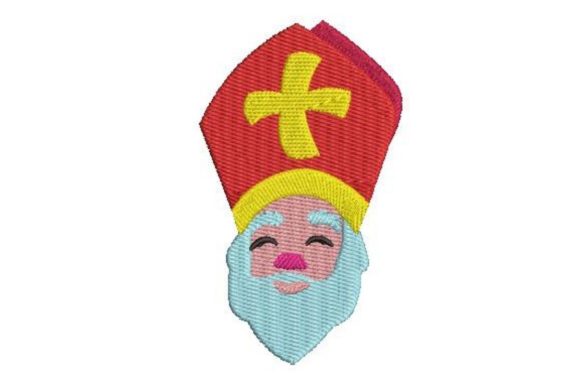
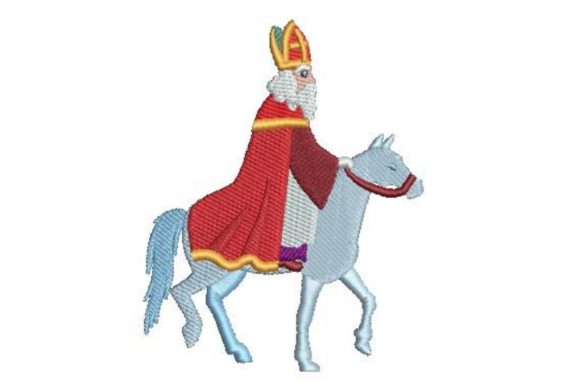
As an embroidery designer preparing for a busy holiday craft fair season, my first task is to evaluate new designs for their real-world selling potential. When I look at Sinterklaas on His Horse, the impression is immediately festive and traditional. This isn't a minimalist modern graphic; it's a decorative, classic winter scene that evokes warmth and nostalgia. It feels premium—the kind of design customers associate with quality handmade products. That's a strong starting point for a holidays-themed embroidery file.
Where Sinterklaas on His Horse Stands Out in Your Booth
Your booth display tells a story. You need designs that grab attention from a few feet away and hold it. Sinterklaas on His Horse has that potential. Its detailed, recognizable subject—Saint Nicholas on his horse—communicates the holiday theme instantly. On a crowded craft fair table, this clarity is invaluable. Customers scanning for festive gifts will lock onto it quickly.
For maximum visual impact, I see this as a focal design. It’s not a tiny accent. On larger products like tote bags, market bags, or pillow covers, it becomes a statement piece that elevates the entire item's perceived value. On a 14-inch pillow cover, for example, the design would feel substantial and decorative, justifying a higher price point. Conversely, on a small fabric pouch or cap, you risk losing too much detail; the charm of the horse and figure might become muddled. It’s better suited for surfaces where its complexity can shine.
Testing the Design Across Key Product Types
Let’s walk through practical applications. My goal is to turn this digital embroidery file into profitable craft fair products.
Tote Bags & Aprons: The Strongest Contenders
For a sturdy canvas tote bag or a linen apron, Sinterklaas on His Horse is a perfect match. The larger, flat surface allows for a generous hoop size, preserving all the delightful details. On a natural-colored canvas bag, with good thread contrast, this design looks handmade and artisanal. It tells a story of craftsmanship. An embroidered apron with this design becomes a specialty kitchen item—more giftable than a plain one. The stitch density needs to be appropriate for these thicker fabrics; a good stabilizer is non-negotiable.
Tea Towels & Pillow Covers: The Festive Home Category
Here, the design shifts from wearable to decorative. On a high-quality linen tea towel, it creates a premium holiday kitchen accessory. On a pillow cover, it anchors a cozy, festive living room vibe. These products often sell as sets or gifts, so Sinterklaas on His Horse adds that thematic cohesion. However, be mindful of fabric texture. On a loosely woven towel, very dense stitch areas might pucker without proper stabilization.
Caps & Patches: The Tricky Applications
A curved cap surface is challenging for any detailed design. Unless the embroidery file is specifically optimized for a small hoop and simplified for this application, I’d be cautious. The same goes for an embroidered patch. Tiny details like the horse’s features or small lettering (if present in the design) can lose clarity when minimized. For a patch, you might need a simplified version. This is not the design’s natural home.
Production Notes for Batch Creation & Selling
When you’re producing items for a weekend fair, efficiency matters. Sinterklaas on His Horse appears to be a detailed design, which means stitch count and thread color changes could impact production time. Before batch-producing twenty tote bags, you must test it on scrap fabric. Check the actual stitch density. Is it so dense that it takes longer than usual to embroider? Review the thread colors—are they distinct and contrasting enough on your chosen fabric, especially if you plan to use dark fabrics? These practical checks directly affect your cost and timeline.
For online sales, like Etsy listings, the design photographs beautifully because it has clear subject matter. A crisp, well-lit photo of this embroidery on a tote bag communicates “handmade quality” instantly. Creating at least one real, physical mockup—not just a printable mockup—is crucial. It shows you the true colors, texture, and feel. This mockup then becomes your best booth sample and photography prop.
Critical Considerations Before You Sell
- Confirm Commercial Licensing: Before selling any finished product, verify that your purchase of the Sinterklaas on His Horse machine embroidery design includes a commercial license. This is the foundation of your small shop product.
- Hoop Size & File Format: The description mentions it’s a high-quality design, but specific hoop size and compatible machine file formats are essential. You must know this before choosing your product base.
- Fabric Color Comparison: Test on light and dark scraps. Some designs lose impact on dark fabric if the color palette isn’t adjusted. Does this one pop on both?
- Booth Display Strategy: In your booth, group products featuring this design together. A dedicated “festive holidays” section with embroidered totes, towels, and pillows creates a powerful visual theme that engages buyers.
Final Judgment: A Worthwhile Holiday Asset
Sinterklaas on His Horse is a strong, themed embroidery design for the holidays category. Its real selling power lies on larger, flat products where its decorative and traditional character can be fully appreciated. It elevates basic items into giftable, premium handmade products. For craft fair sellers and Etsy sellers looking to build a cohesive winter collection, this design offers clear brand consistency and customer appeal.
The key to success, as always, is in the preparation. Test it, understand its production demands, and position it on the right products. Then, Sinterklaas on His Horse will not just be a digital file in your library—it will be a standout, profitable star of your holiday booth.