A Real Designer's Look at the Adoption Rainbow Embroidery Design
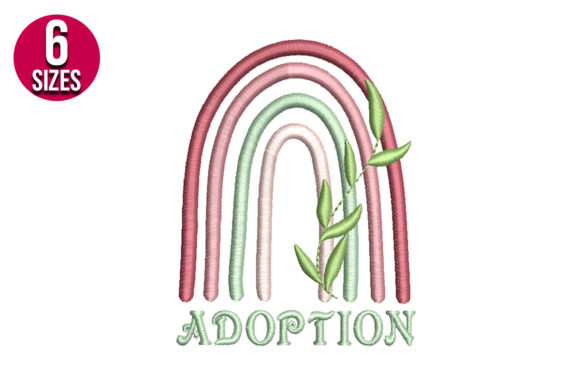
When a new embroidery file lands on my desktop, my first question isn’t about its technical specs. It’s about its soul. What story does it tell when the thread hits the fabric? With the Adoption Rainbow, that story is clear from the first glance: it’s a celebration, a symbol of love and a new beginning, rendered with a thoughtful balance of sentiment and style.
The Immediate Mood and Where It Belongs
This isn’t a loud, graphic splash. It feels meaningful and superbly designed, with a visual personality that’s gentle yet affirming. The rainbow theme is inherently hopeful, and the layout suggests it’s meant to be a centerpiece, not just a decorative accent. This tells me it naturally belongs on items that carry emotional weight. I’m immediately thinking of a custom tote bag for an adoption party, a keepsake pillow cover for a nursery, or a heartfelt holiday gift for a new parent. It has that giftability factor baked into its design.
From Digital File to Stitched Reality: A Practical Walkthrough
Let’s picture a real scenario. I’m preparing a custom embroidered sweatshirt as a welcome gift. My job is to ensure the Adoption Rainbow translates from a digital embroidery file to a beautiful, durable finished product. On a medium-weight cotton blend, with proper stabilizer, I expect this design to shine. The level of detail looks balanced—not so dense that it’s stiff on a garment, but with enough substance to feel substantial. This is crucial for custom apparel that needs to withstand wear and washing while maintaining its handmade presentation.
For a small business owner or Etsy seller, this design is a versatile design asset. It could anchor a line of baby embroidery items—like blankets or bibs—or become a signature motif for a boutique specializing in personalized gifts. On a tote bag design, it would elevate a simple product into a meaningful one. The professionalism of the design’s execution directly impacts customer trust and the perceived value of your craft business merchandise.
Where This Rainbow Lands Best (And Where to Hoop Carefully)
The design’s appeal is broad, but a practical designer knows that application dictates success. For commercial embroidery or embroidered patches, its clear thematic recognition is a plus. It would work beautifully on pillow covers, aprons, or tea towels destined as wedding gifts for adoptive families.
However, I’d proceed with caution on a few fronts. On highly textured fabrics or very thin materials, the stitch density and any potential small details need to be tested first. Embroidering on dark fabric requires careful thread color contrast planning—some elements might lose clarity if the palette isn’t adjusted. For items like caps with curved surfaces, the design’s overall size and layout need to be checked against the hoop size to ensure it sits well without distortion. And for any product that will need frequent washing, like baby clothes, a test run on scrap fabric is non-negotiable to check durability.
The Designer's Notes: Your Pre-Stitch Checklist
Before I’d run this for a client project or list it in my small shop product lineup, here’s my mental checklist:
- Always test on scrap first. Use the same fabric and stabilizer you intend for the final product. This reveals everything about stitch density and fabric behavior.
- Check thread color contrast. Run the design in a black and white mockup to see how it holds up on both light and dark fabric backgrounds. The emotional message should be clear regardless of background.
- Confirm the practical specs. The product description notes it comes with multiple embroidery file formats. That’s excellent for machine compatibility. But you must verify the specific available hoop sizes and file types before starting. Don’t assume.
- Inspect the small details. If there are tiny elements or lettering, ensure your machine and chosen hoop size can render them cleanly.
- Clarify the license. This is paramount. Before selling any finished product or using the design in commercial embroidery projects, confirm the licensing terms. Can you sell the physical items? Can you use it in printable mockups for your digital store? Never guess.
More Than a Design: Impact on Your Creative Work
Using a design like the Adoption Rainbow isn’t just a technical task. It affects your work’s entire vibe. For a creative entrepreneur, it adds a layer of emotional resonance to your brand. It can enhance brand consistency if you specialize in meaningful celebrations. For the hobbyist making a personalized gift, it provides a professionally designed foundation that boosts confidence in the final result.
The design’s clarity and thoughtful composition mean the stitched result will likely have excellent stitching clarity. This is what turns a viewer into an engaged buyer—they see a clean, intentional piece of art. It moves the item from "crafted" to "professionally handmade," which is a key distinction in today’s market.
In the end, the Adoption Rainbow embroidery design feels like a ready-to-work partner. It brings its own meaningful mood to the embroidery project, and with the practical attention I’ve outlined, it can become a beautiful, lasting part of someone’s story—and a reliable, valuable part of your own creative process.