Kitsune Embroidery for Craft Fair Success
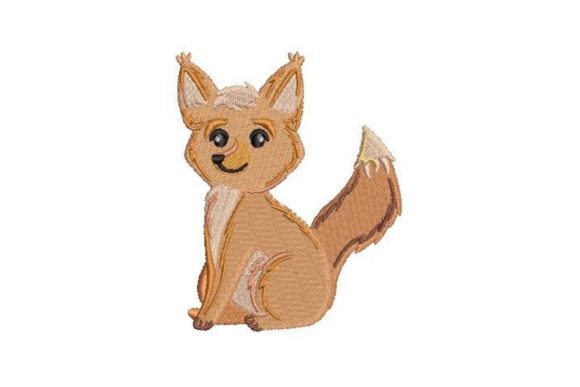
When I saw the Kitsune embroidery file listed under Wild Animals, my first thought was of its potential on the craft fair floor. As an experienced embroidery designer preparing for a weekend market, I immediately evaluate a design not just for its beauty, but for its practical application across a range of products. The description tells us this is a “lovely little animal” meant to add a cheerful touch, which sets a clear mood: this is a cute, soft, and decorative design. It feels inherently giftable, with a gentle magic that resonates with many buyers, especially those looking for nursery decor or whimsical accents.
First Impressions and Product Placement
The charm of the Kitsune is its immediate appeal. It isn’t bold or minimalist; it’s a detailed, characterful animal that tells a story. On a bustling craft fair table, designs like this need to be placed on products where they can be easily seen and understood. A customer walking past your booth should grasp its cute, magical nature in a glance.
For maximum impact, I would focus on soft goods and items associated with home or personal adornment. A pillow cover or a small fabric pouch would be excellent carriers, allowing the design to be the focal point. On a tote bag, it could work beautifully as a large central design or a smaller accent near the top. Given its described use for nursery decor, embroidering it onto a simple, high-quality tea towel or a market bag could instantly elevate those everyday items into special, handmade gifts.
Where Kitsune Stands Out
- Pillow Covers and Nursery Decor: This is the natural home for the design. A small embroidered pillow or wall hanging featuring the Kitsune would sell directly to parents and gift-buyers.
- Tote Bags and Market Bags: The cheerful character adds personality to a functional bag, making it more than just a carrier.
- Embroidered Patches: A well-made patch featuring this design allows for versatility—customers can apply it to their own items. It’s also a lower-cost entry point for buyers.
- Tea Towels and Aprons: In the kitchen category, a whimsical Kitsune can break the monotony of more rustic or farmhouse designs, attracting a different customer.
- Caps: While curved surfaces can be tricky, a smaller version of the Kitsune on the side of a cap could be a unique product for a boutique maker.
Practical Production for the Handmade Seller
Turning the Kitsune embroidery file into a sellable craft fair product requires practical testing. Before I batch-produce anything, I always run these critical checks.
First, test the design on scrap fabric that matches your intended final material. Is the stitch density appropriate for a textured tea towel or a thick tote bag canvas? Look for any extremely dense areas that might cause puckering on lighter fabrics. Secondly, check thread contrast. The magical, intelligent feel of the Kitsune relies on clarity. Using high-contrast threads on your chosen fabric color is essential—a pale design on a dark fabric might lose its delicate details unless the file is specifically optimized for that.
Review spacing and small details. Does the design have tiny elements, like fine lines or small lettering (if any text is included)? These can become muddled at smaller sizes or on fabrics like looped towels. You must determine the minimum hoop size where the design retains its integrity. I would not scale it down too much for a cap application without first seeing a test stitch-out.
Essential Designer Checklist Before Selling
- Create at least one real mockup on a finished product (like a pillow cover or tote) to judge the final look.
- Compare the design on light and dark fabric swatches to ensure it photographs well for your Etsy listings and printable mockups.
- Confirm the hoop size requirements and ensure you have the correct stabilizer for your chosen fabric.
- Inspect the stitch-out for cleanliness. A clean, crisp embroidery conveys handmade quality and increases perceived value.
- Most critically, confirm commercial licensing for the digital embroidery file before producing and selling finished products.
Selling Power and Booth Strategy
From a sales perspective, the Kitsune offers strong narrative appeal. You can speak to its magical folklore, which engages customers more than a simple generic animal. This story adds value. In your booth display, group all Kitsune products together. A pillow next to a pouch next to a tea towel creates a thematic collection that looks professional and encourages multiple purchases.
The design also lends itself to brand consistency for a small shop. If your brand is about whimsy, magic, or cute animal themes, the Kitsune fits perfectly. For batch production, its repeatability is good, provided the stitch-out is consistent and not overly time-consuming or thread-intensive. A design that uses too many color changes or has excessive density can slow down production for a market weekend.
Attention to Detail for Customer Appeal
The visual appeal of the Kitsune is its detail. However, as a designer, I must caution: intricate designs can sometimes lose clarity when photographed for online listings. Ensure your product photos are sharp and close-up, highlighting the embroidery’s texture. On dark fabric, as mentioned, extra care is needed. The finished product must look impeccable in person to justify a premium handmade price point.
For embroidered patches, this design could be a winner. Patches are highly popular, and a unique Kitsune patch stands out in a category often filled with simpler logos. Apply it to a sample bag or hat in your booth to show its application.
Finally, consider your audience. At a craft fair, you’ll meet embroidery enthusiasts, parents, and shoppers looking for a meaningful gift. The Kitsune, as a “lovely little animal,” speaks directly to them. Its cheerful nature is its biggest selling feature. Place it on products that feel personal and special, and you’ll see it attract attention and drive sales, adding a touch of magical craftsmanship to your handmade product line.