A Designer's Hands-On Review of the Checkered Deer Embroidery Pattern
As someone who runs a small business centered on personalized gifts, I approach every new design file with a mix of excitement and practical scrutiny. Today, I’m testing the Checkered Deer machine embroidery design, imagining it stitched onto a real customer’s order. My goal is to see if it holds up as a meaningful, high-quality finished product.
The First Stitch: Emotional Appeal and Visual Charm
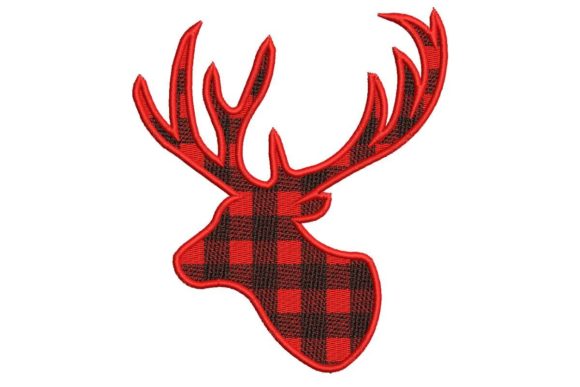
The immediate impression of Checkered Deer is one of elegant playfulness. It strikes a wonderful balance—it feels classic and modern at once. The checkered pattern within the deer’s form introduces a charming, handmade texture, while the overall silhouette remains clean and recognizable. This blend creates a design that is neither overly sweet nor starkly minimalist. It carries a warmth that feels both seasonal and timeless, making it emotionally versatile. A customer looking for a gift that feels special, but not cloyingly sentimental, would be drawn to this.
This emotional appeal directly translates to its market potential. I can instantly visualize Checkered Deer embroidered on a delicate baby blanket for a nursery, or as a subtle accent on a wedding keepsake pillow cover. It would add a touch of personalized charm to a kitchen towel or apron, and look gorgeous on a custom tote bag for a craft fair. For an Etsy seller or small shop, this design offers a broad product range: from baby embroidery items to sophisticated wedding gifts, all under a cohesive, attractive aesthetic.
Mapping the Design to Real Products and Customers
Thinking like a gift shop owner, I’m planning which finished products would showcase Checkered Deer best. The design’s elegance suggests it would elevate simple items into heirloom-quality gifts.
- Baby & Nursery Products: Embroidered onto a blanket or a wall hanging, the deer motif feels gentle and welcoming, perfect for a personalized gift for a new family.
- Home & Kitchen Goods: A crisp white apron or a set of linen towels with this design becomes a thoughtful, usable keepsake.
- Wedding & Family Gifts: Stitched onto a pillow cover or a table runner, it serves as a beautiful, understated symbol for a new home.
- Market & Online Sales: For Etsy sellers and craft fair vendors, this design can create a whole line—tote bags, pillow covers, tea towels—that photographs beautifully and attracts buyers looking for unique, handmade products.
The key here is giftability. Checkered Deer enhances the perceived value of a basic item. A customer trusts that a gift featuring this embroidery is carefully crafted, which builds confidence for both the maker and the buyer. The emotional connection is built into the design itself, making the finished product feel like a genuine personalized gift, not just a decorated object.
Practical Considerations for Perfect Stitching
Of course, a design’s beauty must be matched by its technical performance on real fabrics. Before running this embroidery file on a customer’s order, I’d conduct thorough tests.
First, I’d stitch it out on scrap fabric similar to the intended final product. This reveals how the details translate. I’d pay close attention to any small or delicate elements within the checkered pattern to ensure they stitch cleanly. Checking thread color contrast is crucial—this design likely pops best with thoughtful color choices against the background fabric.
Fabric texture is a major factor. While the description says it stitches elegantly onto any fabric, my experience dictates caution. On thick towels or plush blankets, adequate stabilizer and possible adjustments to stitch density are needed to prevent puckering. Stretchy fabrics, like some baby clothes, require extra stabilization and careful hooping. Curved surfaces, like on a tote bag, need planning for placement and stabilization. For dark fabrics, I’d test to ensure the chosen thread colors provide enough contrast and luminosity.
I’d also confirm the necessary hoop size for a clean finish and review the overall stitch density to ensure it’s suitable for the fabric weight. Products destined for frequent washing, like kitchen linens or baby items, need a robust stitch construction to endure. Creating mockups—both digital and physical on light and dark fabrics—helps visualize the final product and informs customer previews.
Ensuring Quality from Digital File to Finished Gift
The journey from a digital embroidery file to a sellable handmade product involves several checkpoints. After my test stitch, I examine the small details closely. Are they crisp? Does the design feel balanced on the product? This scrutiny directly impacts customer trust; a flawless finish speaks of handmade quality.
For commercial use, a vital step is confirming the commercial licensing terms for the Checkered Deer file. Before selling any finished products at a craft fair or on an Etsy listing, I must ensure my small business is compliant. This protects my shop and respects the designer’s work.
Finally, product photography becomes easier with a strong design. Checkered Deer has a visual clarity that will engage buyers in online listings. It tells a story of craftsmanship and thoughtfulness, which increases buyer engagement and, ultimately, turns a custom embroidery project into a cherished personalized gift.
In my review, Checkered Deer proves to be a versatile and charming design with significant potential for gift-focused businesses. Its blend of elegance and playfulness, coupled with mindful application across various products and fabrics, can help embroidery makers, baby product creators, and wedding gift designers create items of true perceived value and emotional connection. The final step, as always, is meticulous testing and preparation—ensuring that every stitched deer is as gorgeous and elegant as intended.