Christmas Trees Embroidery: A Designer's Honest Review
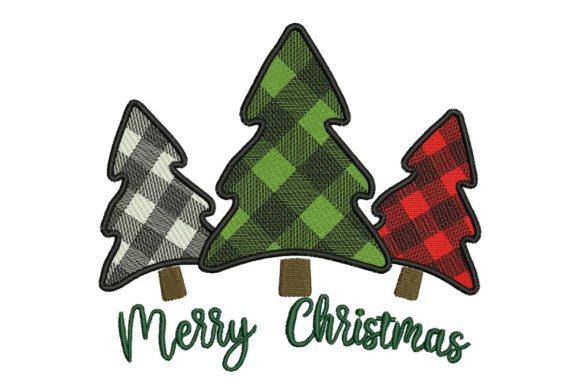
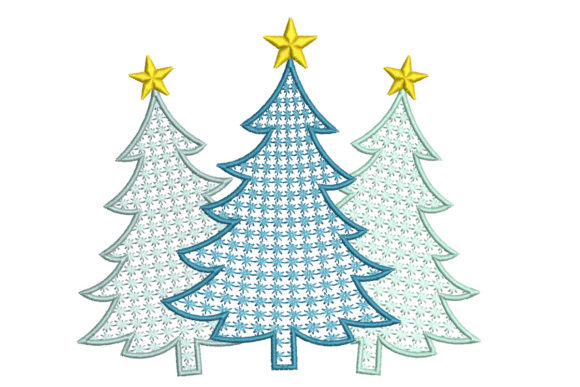
When a new embroidery file lands on my desktop, I look at it with the eyes of a customer and the hands of a maker. My first question isn't about specs; it’s about feeling. Opening the Christmas Trees design, the immediate impression is quiet elegance. It’s not a chaotic, overly detailed holiday scene. The layout feels balanced, the shapes are clean, and the overall mood is one of classic, peaceful celebration. This visual personality tells me it belongs on projects where subtlety and sophistication are valued over loud festivity.
The Projects Where This Design Truly Shines
I immediately pictured it on a high-quality linen apron or a neat canvas tote bag. These are items where the design wouldn’t be overwhelmed by texture or competing patterns. For a real-life scenario, imagine a client ordering a custom holiday gift—perhaps a set of embroidered pillow covers for a cozy living room. Christmas Trees would stitch out with a clarity that makes the gift feel considered and personal, not generic. Its elegance elevates the perceived value of the finished product.
For my own small shop merchandise, I'd lean towards applications on premium cotton sweatshirts or sturdy tea towels. The design has a density that suggests it will look substantial without being bulky. On a baby’s blanket or nursery decor item, it would offer a gentle, festive touch that parents appreciate. In a boutique setting, this embroidery on a simple cap or a woolen scarf would create a cohesive, branded holiday collection that feels handmade yet professional.
Where Caution and Consideration Are Needed
No design is universally perfect, and a practical review must note where attention is required. The apparent detail level in Christmas Trees means very small hoop sizes might compromise the stitching clarity of finer elements. Always test first. Textured fabrics like thick sweaters or nubby linens could interrupt the smooth flow of any satin stitch or fill stitch areas, so stabilizer choice becomes critical.
Stretchy fabrics—think t-shirt knits—demand extra stabilization to prevent distortion. Dark fabric backgrounds require a thoughtful thread color palette to maintain that elegant contrast; a test on scrap fabric is essential. And while the design seems suited for curved surfaces like caps, the potential for dense stitch areas in tight corners means a slow, observant stitch-out is wise to prevent puckering.
Beyond the Stitch: Impact on Your Business and Craft
The real test of an embroidery design is how it performs after the machine stops. Christmas Trees, when stitched well, builds customer trust. It looks clean and intentional, which reinforces the quality of your handmade presentation. For an Etsy seller or a creative entrepreneur, this consistency across products—whether on aprons, kitchen towels, or holiday gifts—strengthens brand recognition.
Its giftability is high because it’s recognizably festive without being kitschy. A buyer looking for a personalized gift sees a finished product with this embroidery and understands the care involved. For commercial embroidery projects or digital product sellers offering the file as a design asset, its straightforward, elegant layout makes it a reliable choice for clients who want predictable, beautiful results.
A Few Practical Notes from the Hoop
Before you commit this design to a client’s blouse or your craft fair inventory, do the homework. First, always stitch a sample on a scrap of your intended fabric. Check the thread color contrast against both light and dark backgrounds. Review the stitch density in the file on your machine’s preview to gauge where heavy areas might lie. Confirm the minimum comfortable hoop size by stitching a test.
Inspect the small details in your test piece—are any corners or tiny elements stitching cleanly? It’s also smart to view the design in simple black and white printable mockups to judge its silhouette and balance. And crucially, for any business use, verify the licensing terms. Can you sell the finished embroidered tote bags or patches? Can you use it in commercial embroidery for a local shop’s uniforms? Never assume.
Use proper stabilizer for the fabric, always. The elegance of Christmas Trees hinges on a flat, smooth stitch-out. On thin fabrics, you might need a combination of stabilizers to prevent show-through. For products destined for frequent washing, like baby clothes or aprons, ensure your thread choices and stitch integrity are robust enough to hold up.
The Final Verdict for Real-World Use
Christmas Trees is a design that earns its place through reliability and tone. It doesn’t shout; it decorates. For the maker, it promises a straightforward stitch-out with a high likelihood of a beautiful finished product. For the small business owner, it adds a touch of class to holiday merchandise that can stand apart from mass-produced items. For the gift-giver or recipient, it feels special and thoughtfully made.
My recommendation is to pair it with quality materials—good fabric, excellent thread—to fully realize its potential. It’s a machine embroidery design that serves both the hobbyist wanting a gorgeous holiday project and the entrepreneur needing a dependable asset for their seasonal lineup. Approach it with practical preparation, and it will repay you with stitching clarity and visual appeal that makes your embroidery project, and your brand, look confidently professional.