From a Designer's Eye: The Unlikely Charm of Angry Looking Maggot
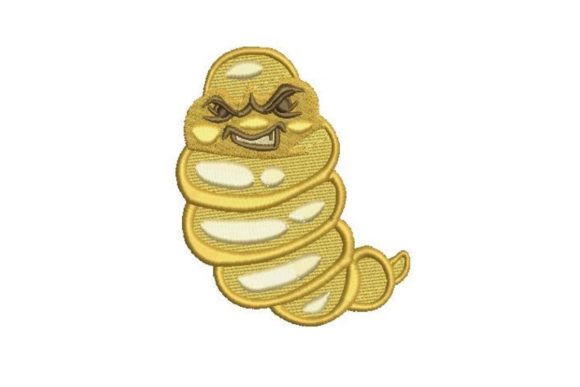
When I first saw this design, "Angry Looking Maggot," my reaction was exactly what it intended: a genuine laugh. This isn't your typical, pretty nature-themed embroidery. It's a bold, character-driven piece with a clear visual personality. The mood is humorous and slightly mischievous, making it perfect for projects that need a dose of unexpected levity rather than serene beauty. The shape and detailing suggest a robust, well-defined silhouette that should translate cleanly into stitches, and its simple layout means it won't require a massive hoop to look effective.
Where This Character Shines in Real Projects
My immediate thought was how this design would perform on a custom embroidered tote bag for a gardening enthusiast or a quirky apron. It has that perfect blend of being nature-themed (it's a bug, after all) but with a funny twist that makes it memorable. I envision it on the corner of a canvas tote, standing out as a unique, conversation-starting detail. For a small business owner creating boutique kitchen towels or quirky pillow covers, this maggot adds a fresh, contemporary edge to what could otherwise be a very traditional product line.
It feels particularly suited for personalized gifts where you know the recipient's sense of humor. Imagine it on a sweatshirt for a friend who loves unconventional biology jokes, or as a small accent on a baby's bib—not for every parent, certainly, but for those with a specific, playful style, it could be a hit. For an Etsy seller or apparel decorator, this design fills a niche. It's not a mass-market floral motif; it's a specific design asset that can attract a customer looking for something genuinely different and fun.
Careful Application: When to Hold Back the Hoop
Given its likely dense areas for the body and facial features, stitch density is a key consideration. On very stretchy fabrics like lightweight t-shirts or on curved surfaces like caps, you'll need to be diligent with your stabilizer choice to prevent puckering. The angry expression relies on clean lines for the eyes and mouth; on textured fabrics like some blankets or fuzzy sweatshirts, those small details might soften or lose a bit of clarity.
I'd advise testing on scrap fabric that matches your final project's texture first. Dark fabric backgrounds will require careful thread color selection to maintain the design's contrast and visibility—a pale maggot on a black hoodie needs bright, crisp threads. Also, consider the final product's use. Something like a frequently washed kitchen towel needs a robust stitch construction, so reviewing the fill stitch areas in the provided embroidery file for potential weakness would be wise.
The Practical Impact on Your Craft Business
Using a design like this affects visual appeal and customer engagement in a specific way. It won't appeal universally, but for the right buyer, it creates instant recognition and a sense of shared humor. That can build stronger customer trust and loyalty for a handmade shop owner, as it shows a curated, thoughtful product range. For a digital product seller offering the embroidery file itself, it adds a unique option to a collection, increasing its value to fellow designers looking for something beyond the ordinary.
Its giftability is high for a certain audience, boosting its potential for holiday gifts or niche wedding gifts (for the truly unconventional couple!). From a brand consistency perspective, if your small shop merchandise leans towards witty, scientific, or oddly adorable themes, this maggot fits beautifully. It enhances a handmade presentation by showing a confident design choice, moving away from safe, generic motifs.
A Designer's Pre-Stitch Checklist
Before I'd run this on a final project, especially for a client or commercial embroidery piece, I have a standard list of checks. First, confirm the exact hoop size requirement from the product details—it comes in multiple embroidery file formats, so compatibility is broad, but the ideal minimum hoop size is critical for detail preservation. I always test a design in both light and dark fabric mockups, even simple black and white digital previews, to gauge its impact.
Review the stitch count and density in your machine software; very dense areas on thin fabric can be problematic. Check the thread colors you plan to use—will they pop on your chosen fabric? And crucially, always confirm the licensing terms before selling any finished product or incorporating it into digital products for resale. Knowing whether it's cleared for personal and commercial projects is fundamental for professional use.
Finally, think about the end product's washing and wear. A design with this much character is meant to last. Using proper stabilizer and perhaps even considering an embroidered patch application for items like caps or bags that get heavy use can ensure your Angry Looking Maggot stays clearly and humorously visible for a long time, which is exactly what your customer—or your gift recipient—will appreciate.