Reviewing the Sword Embroidery Design for Real Projects
When a new embroidery file lands on my desktop, I look at it through the lens of real-world use. Can it withstand the demands of custom apparel? Will it add genuine value to a handmade product? Today, I’m examining the Sword design from the Pirates category on Creative Fabrica, considering it for upcoming customer orders and my own craft fair stock.
First Impressions: Visual Mood and Project Fit
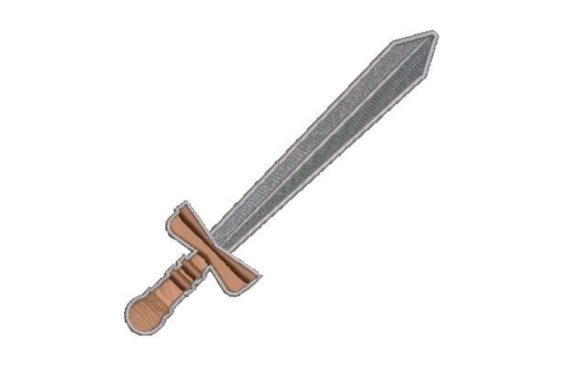
The Sword design immediately presents a clear, graphic personality. It’s a straightforward emblematic design, not overly detailed or fussy. This gives it a versatile decorative appeal—it feels bold enough for a child’s backpack but also suitably classic for a decorative pillow in a themed room. Its mood leans towards playful adventure, making it a natural fit for kids’ items, themed gifts, or any product aiming for a touch of pirate flair without being too cartoonish.
For a professional embroiderer, this simplicity is often a strength. It suggests the design will translate well across various materials, from the curved surface of a cap to the flat weave of a kitchen towel. The description notes it's easy to embroider, which, upon visual assessment, likely means it avoids overly dense fill stitch areas or impossibly small satin stitch details that can cause puckering.
Testing on Common Products
In practice, I envision the Sword design on several key products. For a custom sweatshirt or tote bag, its bold shape would create a strong focal point. On baby blankets or nursery decor items, it provides a thematic element without overwhelming the fabric. As an embroidered patch, it would be clean and recognizable. For Etsy sellers and boutique owners, this versatility is crucial. It allows one digital embroidery file to serve multiple product lines—from aprons to pillow covers—maintaining brand consistency across a handmade shop’s offerings.
Navigating Practical Embroidery Challenges
My main considerations for any design are always practical. For Sword, the presumed lack of extreme density is a positive sign for stretchy fabrics like sweatshirts and for dark fabrics where high stitch density can create an overly raised, stiff area. The design’s likely use of clean outlines (whether running stitch or satin stitch) should help it sit well on textured fabrics like towels and on curved cap surfaces.
However, the critical step is always a test run. Before committing to a customer’s order, I would stitch Sword out on scrap fabric matching the final project’s weight and texture. This reveals the true stitch density, allows me to check thread color contrast for optimal visibility, and confirms the smallest details are clean after stitching. I would also compare light and dark fabric mockups to plan my thread choices. Using the proper stabilizer is non-negotiable, especially for items like backpacks or towels that require durability.
Affecting Product Value and Customer Trust
A well-executed embroidery design directly impacts a finished product’s perceived value and buyer trust. When Sword is stitched neatly with good thread coverage and secure edges, it elevates a simple tote bag or apron into a custom apparel item. For personalized gifts like a child’s named blanket with a sword motif, it adds that special handmade presentation that customers cherish.
In product photography for Etsy listings or printable mockups, a clean, crisp embroidery file like this one makes the item look professional and appealing. It enhances visual appeal and customer engagement—a shopper can instantly imagine the product’s use. For craft fair products and boutique merchandise, this immediate recognition is key to sales. A design that looks perfect on the product, as the description states, builds trust in your craftsmanship.
Commercial Use and Licensing Considerations
For small business owners and commercial embroidery applications, the legal details are as important as the stitch quality. The product description provides a good starting scope of intended use—kids’ clothes, accessories, hats, backpacks, towels, pillows. However, I always advise fellow creators to confirm file details and licensing on the Creative Fabrica product page before selling finished items. One must verify the specific license terms for the exact commercial use intended, whether for limited batch production or broader sale. Never assume; always check the product page for the official machine embroidery design specifications.
Final Thoughts: Is This Design Worth Using?
From my perspective as an embroidery designer, the Sword design holds solid potential. Its straightforward, emblematic style makes it a reliable choice for a wide range of projects, particularly those targeting a pirate or adventurous theme. It seems designed to avoid common pitfalls like excessive density, which makes it a safer bet for beginners and a efficient choice for professionals running multiple orders.
The true test, as always, is in the hoop. I recommend downloading this Creative Fabrica embroidery file with a clear project in mind—perhaps a cap, a pillow cover, or a set of kitchen towels for a themed gift. Then, follow the practical embroidery notes: test on scrap, inspect the small details, and plan your stabilization carefully. If it stitches out cleanly and meets your quality standard, it can become a valuable design asset in your library, helping you create finished products that are both visually appealing and commercially sound.
Ultimately, designs like Sword succeed when they bridge the gap between digital file and physical product seamlessly. This one appears built for that purpose, aiming to look perfect where it’s placed. Your diligence in testing and application will determine its final worth in your handmade business or creative projects.