Medusa Embroidery Review: A Designer's Craft Fair Guide
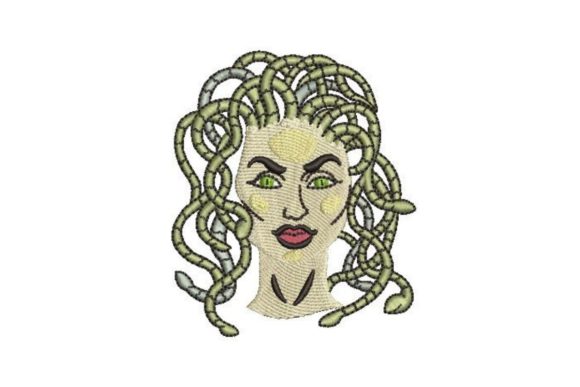
As an embroidery designer preparing for a weekend craft fair, every design in my collection gets a practical review. It’s not just about aesthetics; it’s about what sells in person, what looks good stitched on real products, and what’s efficient to produce. Today, I’m evaluating the Medusa embroidery design, a figure steeped in myth, described as “cute,” and categorized for Halloween. Here’s my real-world judgment on turning this digital embroidery file into successful craft fair products.
First Impression: Bold, Cute, and Surprisingly Versatile
The initial description frames Medusa as “cute,” which is an interesting twist on a classic monster. This suggests a design that balances bold mythological imagery with a softer, more approachable style. It doesn’t scream “farmhouse” or “minimal”; instead, it feels decorative, slightly festive for Halloween, yet with a modern, graphic appeal that could extend beyond the season. The potential for a “cute” Medusa means it could attract customers looking for something unique, conversation-starting, and premium without being overly scary. This is a strong starting point for a handmade product.
Where Medusa Stands Out on the Craft Fair Table
Visualizing my booth display—embroidered tote bags, aprons, tea towels, patches, caps, and pillow covers—I need to place designs where they’ll grab attention and justify the handmade effort. Medusa has a clear focal point: the snake-haired figure. This makes it excellent for products where the design can be a central, statement piece.
Prime Product Candidates
Tote Bags and Market Bags: A larger Medusa embroidery on a tote bag creates an instant, wearable artwork. The bold imagery works well on bag fronts, making it a standout item in a booth lineup. For an apron, a similar placement can transform a functional item into a distinctive, giftable handmade product.
Pillow Covers: This is a premium application. A well-executed Medusa on a pillow cover feels decorative and modern, appealing to buyers looking for unique home accents. It elevates the design beyond simple apparel.
Embroidered Patches: The “cute” description is key here. A Medusa patch offers versatility. It can be sold as a standalone item for crafters or applied to jackets, bags, and hats. It’s a lower-cost entry point that can drive higher-volume sales.
Considerations for Smaller Items
Tea Towels and Kitchen Towels: Embroidery on textured towels requires careful planning. Medusa’s details must be clear against the fabric weave. It would work best as a larger, centered design on a towel rather than a small accent, maximizing its visual impact.
Caps and Fabric Pouches: Embroidering on curved cap surfaces or smaller pouches presents challenges. Tiny details, like small snake eyes or intricate hair patterns, could lose clarity at reduced sizes. If the embroidery file is very detailed, I’d test it on scrap fabric first to see if simplifying elements is needed for these applications.
Practical Production & Selling Points
Turning a design into a sellable craft fair product involves more than just hitting “stitch.” Here’s my breakdown for Medusa.
Understanding at a Glance and Batch Production
The concept is instantly recognizable, which is vital for fast-paced fair sales. Customers understand the theme immediately, aiding quick decision-making. For production, if the design is not overly dense with stitches, it could be reasonably repeatable for batch-producing a line of tote bags or patches. However, I must check stitch density in the embroidery file. High density on large areas can slow production and wear machines, affecting my ability to stock the booth adequately.
Photography and Online Presence
For my Etsy listings and printable mockups, Medusa’s bold, graphic nature should photograph well. Contrast is crucial. On dark fabric, I’d need to ensure the thread colors—likely greens, blacks, and skin tones—are bright enough to pop. Creating at least one real mockup is non-negotiable. It reveals how the design actually looks on material, informing my choice of stabilizer and hoop size for each product type. I’ll compare various fabric colors to find the most appealing combinations.
Customer Attention and Product Value
This design boosts perceived handmade quality. A complex, well-stitched mythological figure feels more artistic than a simple logo, increasing a product's value. In the booth, a display of Medusa-themed items creates a cohesive, strong brand moment that engages buyers looking for unique, story-driven pieces. It’s not just another floral pattern; it has personality.
Careful-Use Notes for the Embroidery Designer
Before loading the embroidery file and starting production, I follow a strict checklist to avoid costly mistakes.
- Test on Scrap Fabric First: Always stitch the design on a scrap of the actual product fabric (e.g., canvas for totes, terry for towels). This reveals how fabric texture interacts with the design.
- Review Thread Contrast and Spacing: Check that all elements, especially potential small lettering or tiny snake details, are distinct. Adjust thread colors if they blend into the background fabric.
- Confirm Hoop Size Requirements: The design dimensions must match my intended products. A large Medusa for a tote might need a bigger hoop, while a patch version must be sized appropriately.
- Inspect for Clarity at Reduced Sizes: If I plan to offer the design on caps or small pouches, I must stitch a sample at that smaller size to ensure no details become muddled.
- Use the Right Stabilizer: For thicker fabrics like bag canvas or for stretchy caps, choosing the correct stabilizer is key to preventing puckering and maintaining clean lines.
- Confirm Commercial Licensing: Before selling any finished product, I must verify the embroidery file’s license permits commercial use. This is a critical step for any Etsy seller or small shop product.
Final Craft Fair Judgment
Medusa presents a compelling opportunity for the handmade market. Its blend of bold mythology and described “cute” style gives it a niche appeal that can stand out in a crowded craft fair booth. It is best suited as a focal design on larger products like tote bags, aprons, and pillow covers, where its details can shine and justify a higher price point. As an embroidery designer, my job is to respect its potential pitfalls—dense stitch areas, tiny details on textured fabrics—through thorough testing. With proper production planning, Medusa can become a memorable, sellable piece that attracts engaged customers and strengthens my booth’s diverse offerings, particularly around Halloween but potentially year-round for those seeking unique decorative embroidery.