Smiling Bed: An Embroidery Designer's Craft Fair Review
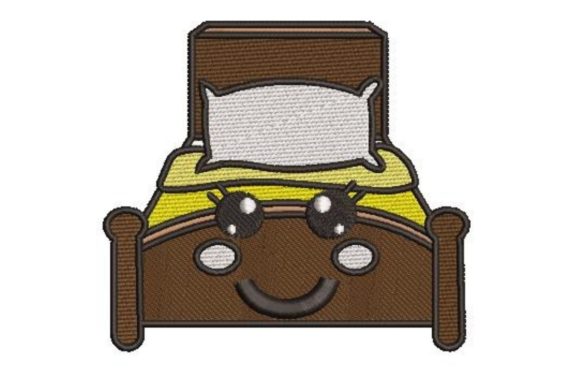
As I sit down to prepare my inventory for a weekend craft fair, the Smiling Bed embroidery design lands on my digital desk. This is the moment of real-world judgment: not just whether a design is cute, but whether it will sell, look good in person, and be practical to produce for a bustling booth. My table will be filled with embroidered tote bags, aprons, tea towels, patches, pillow covers, and small giftable pouches. Where does Smiling Bed fit in?
First Impression: A Warm & Welcoming Mood
The title "Smiling Bed" immediately sets a tone. This isn't a stark minimalist or a hyper-festive design. It leans into a soft, welcoming, and decorative feel, with a touch of that cozy, handmade charm that resonates in the home decor space. It feels crafted for a bedroom category, but its appeal is broader—it’s about comfort and a happy home. For craft fair customers browsing a table, this mood is key. It should catch the eye as something warm and inviting, not loud or aggressive. The potential here is for a design that feels like a premium, thoughtful addition to someone's space, rather than a novelty item.
Product Performance: Where Smiling Bed Stands Out
The real test is how this machine embroidery design translates onto actual craft fair products. My evaluation is based on what I know sells at my booth and what captures attention.
Tote Bags & Market Bags
On a tote bag, Smiling Bed would need to be a focal point, likely positioned centrally. The design's welcoming mood could make it a great "gift bag" for a friend or a cheerful personal accessory. It needs to be sized appropriately—large enough to be appreciated but not so dense that it becomes overly heavy with stitches. On lighter canvas bags, thread contrast is vital; a clean, bright execution would make it pop.
Aprons & Kitchen Towels
While categorized for the bedroom, a smiling bed design on a kitchen apron or tea towel introduces a playful, cross-room charm. It could work well as a smaller accent on a towel corner or centered on an apron pocket. However, fabric texture matters. On a textured tea towel, small details might lose clarity. A slightly larger size and simpler stitch areas would ensure it remains crisp.
Pillow Covers & Pouches
This is where Smiling Bed could truly shine as a bedroom product. An embroidered pillow cover is a natural, high-value application. For a small fabric pouch, it could be a delightful detail, suggesting use for storing sleepwear or bedside items. These items feel giftable and align perfectly with the design's intended category.
Embroidered Patches & Caps
As a patch, Smiling Bed would need to be evaluated for density. Dense stitch areas on patches can become stiff. If the design has small lettering or tiny details, reducing the size for a patch might render it unclear. On a curved cap surface, the same rule applies: simplicity and bold shapes work best. It might be a niche application here, more suited to flat, stable fabrics.
The Practical Production Checklist
Before committing to batch production for my craft fair stock, I run through a mental and physical checklist. This separates a good digital embroidery file from a viable handmade product.
Test on Scrap Fabric First. Always embroider the Smiling Bed design on a scrap of the actual fabric you plan to use—whether it's cotton canvas for a tote, linen for a towel, or twill for a cap. This reveals how the fabric texture interacts with the stitches.
Check Thread Contrast & Colors. Does the design rely on subtle shade differences that might vanish on dark fabric? For a "smiling" motif, high contrast often sells better in person, making the design easily understandable at a glance from a few feet away at your booth.
Review Stitch Density & Stabilizer. Dense stitch areas can puckering lightweight fabrics. Using the correct stabilizer is non-negotiable for a professional finish. This affects the perceived handmade quality; a puckered design looks amateurish, while a smooth one looks premium.
Confirm Hoop Size & Design Scaling. The product description mentions multiple embroidery file formats, which is excellent for versatility. I need to check which hoop sizes the design is optimally digitized for. Trying to force a design meant for a 5x7 hoop into a 4x4 hoop for a small pouch can ruin clarity. It’s crucial to use the design at its intended size.
Create One Real Mockup. Before producing twenty items, I make one finished product—a pillow cover or tote bag. This is my booth sample. It shows me how it photographs for my Etsy listings and printable mockups, and how it feels in hand. Does it look like a small shop product worth the price?
Selling at the Craft Fair Booth
At the fair, visual appeal drives customer attention. Smiling Bed needs to tell its story quickly.
Visual Appeal & Customer Attention: Placed among other items, a well-executed Smiling Bed on a pillow or tote should draw customers looking for a cheerful, decorative piece. Its success hinges on it looking clean and intentional. A messy stitch or poor fabric choice will make it blend into the background.
Product Value & Handmade Quality: On a premium fabric like a high-quality linen pillow cover, this design can elevate the item's value. It feels bespoke. On a simple tea towel, it adds a decorative touch that justifies a higher price than a plain towel.
Booth Display Strength: I might group Smiling Bed products together to create a small "bedroom comfort" section in my booth, telling a visual story that engages buyers. A smiling bed embroidered on a market bag next to a matching pillow cover suggests a cohesive gift idea.
Careful-Use Notes for the Embroidery Designer
Based on experience, here are specific points to watch for with a design like this:
- Tiny Details & Small Sizes: If the design incorporates small features (like delicate smile lines or tiny decorative elements), avoid scaling it down excessively for patches or caps. It may lose definition.
- Dark Fabric Application: Test on dark fabric with light thread. Some designs lose their cheerful feel if the contrast isn't strong enough.
- Batch Production Repeatability: Is the design efficient to produce in batches? A design with many color changes or very long stitch runs might slow down production for a craft fair deadline. Simplicity often wins for volume.
- Commercial Licensing: The description notes it's a machine embroidery design for use. As a professional, I always confirm the specific commercial license terms before selling finished products at a fair or on Etsy. It's a fundamental step for any digital embroidery file used in a business.
Final Judgment for the Creative Entrepreneur
Smiling Bed presents a solid opportunity for craft fair sellers and handmade shop owners. Its warm, decorative mood fits well on higher-value home decor items like pillow covers and tote bags, where customers appreciate a thoughtful design. It likely works best as a medium to large focal point on stable, light-colored fabrics. For embroidery business owners, the key will be in the execution: testing on actual materials, ensuring excellent stitch quality, and presenting it in a way that tells a story of cozy comfort at your booth. It's not a design for every product—it might struggle on heavily textured towels or curved caps—but where it fits, it could become a steady, engaging seller that adds a smile to your product line and your customer's home.